Why Hemp?
Bedding, flower, and grain — one plant for the stall, the horse, and the feed bucket.
A stalled horse produces twelve to thirteen tons of soiled bedding every year. That pile becomes a cost when haulers refuse sawdust and disposal fees keep rising. Peter Iovino, racing secretary at Saratoga Casino Hotel, confirmed the rule in writing on August 19, 2026: shavings only, because haulers will not take sawdust. The track already sets the bedding standard.
Cleaned hemp hurd replaces the current bedding and turns the stall from a disposal cost into a productive asset. It prevents a clear set of health problems that wet, dusty, or ammonia-heavy stalls create by changing the physical conditions that allow those problems to start.
Moisture absorption
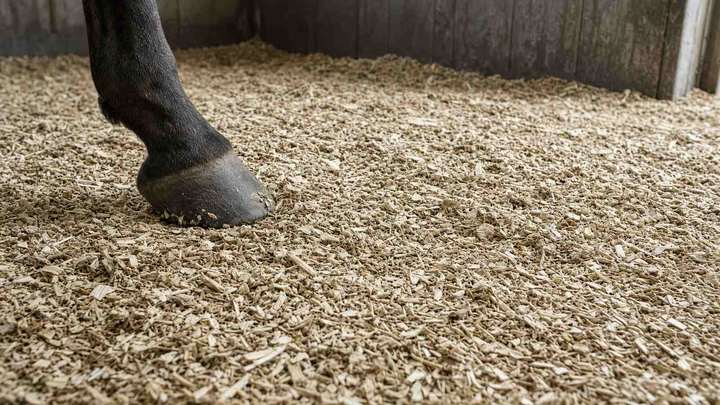
Hemp hurd absorbs three to four times its weight in liquid. Its natural capillary structure pulls urine down and locks it below the surface, so the stall stays dry at the level of the hoof. Constant surface moisture softens the keratin of the hoof wall, weakens the white line, and creates the warm, oxygen-poor environment thrush bacteria need to colonize the frog and sulci. By drawing urine away from the surface and holding it in the lower layers, hemp keeps the frog and sole dry, maintains hoof wall integrity, and prevents thrush, white-line disease, hoof wall separation, and sole bruising that develop when the hoof is chronically soft and compromised. The result is a firmer, healthier hoof that resists bacterial invasion. One 33-pound bale performs the moisture work of roughly two and a half bales of conventional bedding, reducing the volume of material needed to achieve the same dry surface. Barn trials show that the reduced volume also lowers the total mass of material that must be handled and disposed of each month.
Ammonia control
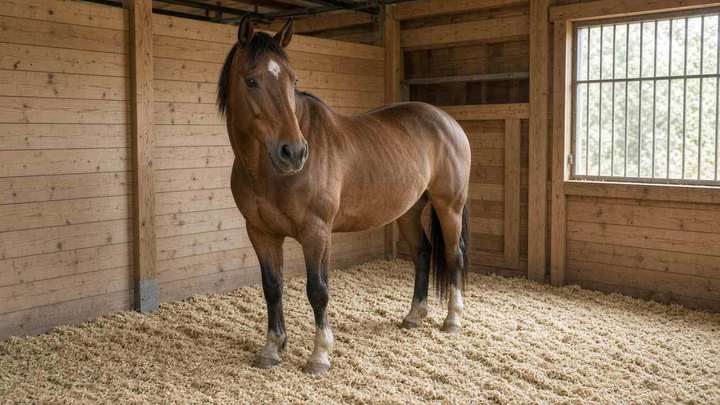
Hemp keeps ammonia lower than other beddings. A Finnish study measured ammonia above bedding over fourteen days: hemp at 145 milligrams per cubic meter versus 155 above wood shavings and 178 above straw. A separate trial found hemp’s relative ammonia absorption at 60 percent, versus 44 percent for wood shavings and 4 percent for straw. Ammonia is a potent respiratory irritant that damages the epithelial lining of the airways, increases mucus production, and promotes inflammation. Over time that inflammation produces heaves (recurrent airway obstruction), inflammatory airway disease, exercise-induced pulmonary hemorrhage when inflamed capillaries rupture under racing or training stress, and chronic coughing. Hemp’s ability to bind ammonia reduces the concentration the horse breathes, so the airways stay clearer, inflammation is lower, and the risk of progressive respiratory disease drops for every horse that lives in a stall. Lower peak ammonia also reduces the cumulative daily dose that drives chronic airway changes.
Bacterial load
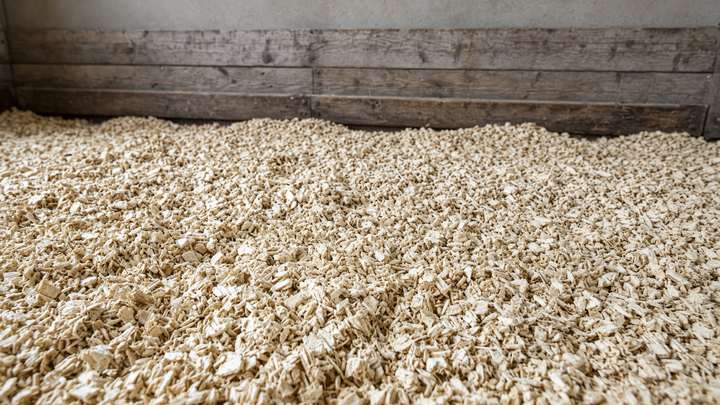
A 2025 University of Kentucky study composted each bedding with manure and simulated urine for a week. Hemp hurd produced the lowest E. coli and fecal coliform counts — 144 colony-forming units versus 248 for pine shavings and 257 for chopped straw. Wet bedding supports high bacterial populations that can invade the frog (thrush), enter micro-cracks in the white line or sole to form abscesses, penetrate soft tissue to cause cellulitis, and spread secondary infections across a multi-horse barn. Hemp’s combination of rapid moisture lock and lower bacterial counts reduces the viable pathogen load the horse stands in every day. That lower pressure makes thrush and abscess formation less likely and strengthens barn-wide biosecurity. The same study showed that the bacterial advantage held across the composting window, giving barns a cleaner end product as well as a cleaner stall.
Hoof comfort
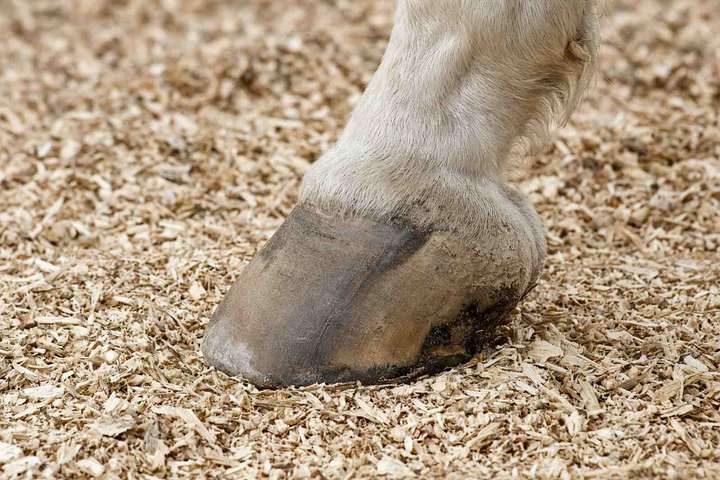
Hurd is fibrous and springy. A Lithuanian stall trial found the surface stayed dry and smooth after a full week, with urine filtered to the bottom. Horses stand for long periods. A hard, compacted surface concentrates force on the joints and can contribute to joint stress, ringbone, and navicular strain. A soft, wet surface allows thrush and white-line disease to develop. Hemp’s structure does not pack into a hard mat and does not stay wet at the surface. The even, resilient, dry footing spreads the horse’s weight, cushions the joints, and keeps the hoof structures healthy and resistant to bacterial entry. Consistent surface conditions also reduce the micro-movements that contribute to joint fatigue over a full season.
Palatability
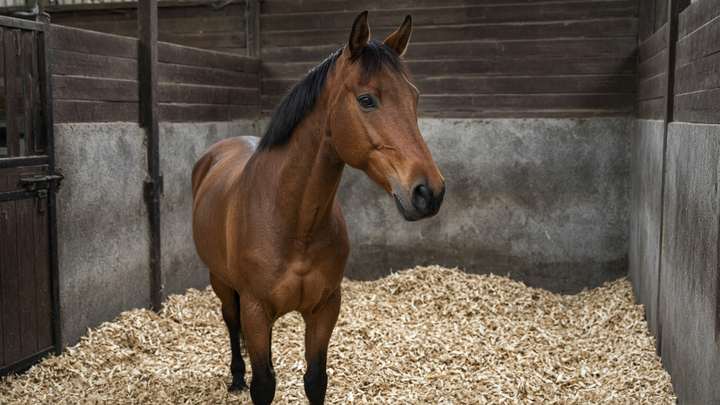
Hurd is low in residual protein and has a neutral flavor, so horses lose interest after the first day or two. If a horse does sample it, the material is non-toxic and passes through. Horses that eat bedding can ingest enough volume, sometimes mixed with soil, to create sand colic or an impaction blockage in the gut. Because hemp is unpalatable, horses do not consume it. The stall remains bedding rather than an accidental feed source, and the risk of bedding-related colic is removed. Residual cannabinoids, if present at trace levels, clear within 48 hours according to in-vivo bedding exposure studies.
Dust
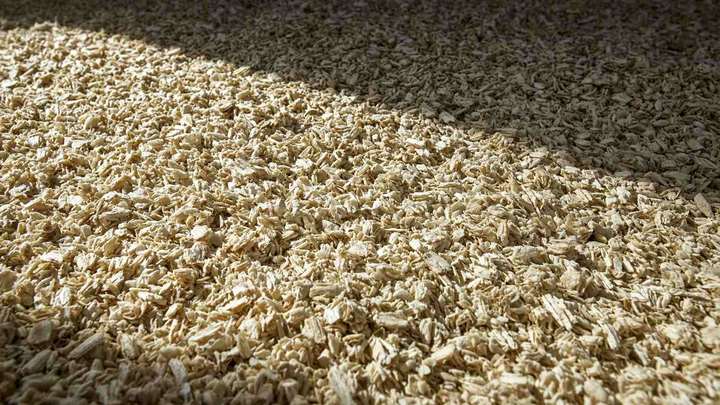
Hurd is the woody core of the stalk, triple-screened at the mill. The result is a low-dust bed. Respirable dust particles lodge in the lower airways, trigger inflammation, increase mucus, and over time produce coughing, inflammatory airway disease, chronic obstructive pulmonary disease, and cumulative lung damage. Triple-screening removes the fine particles that become airborne when the stall is cleaned or the horse moves. Hemp therefore generates less respirable dust, protects the lungs of horses that live in stalls, and delivers the cleaner air that reduces chronic respiratory irritation. A Virginia barn trial recorded about 17 percent lower monthly bedding expense after the switch, driven in part by reduced volume and cleaner conditions. Lower dust also improves working conditions for barn staff who spend hours in the aisles.
Volume and weight
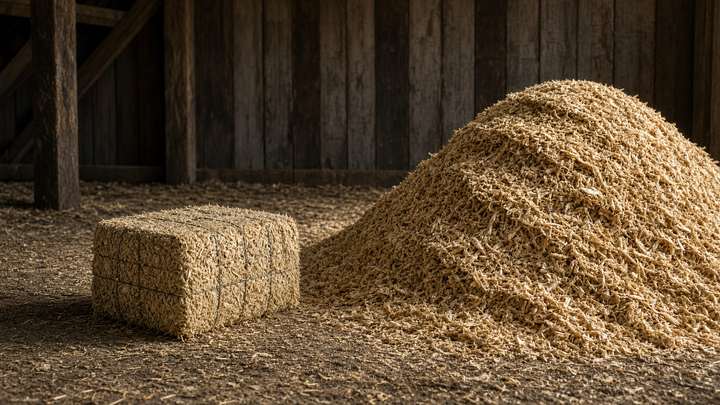
One 33-pound bale of hemp does the moisture work of roughly two and a half bales of conventional bedding. Fewer bales mean smaller muck piles, fewer tractor loads, and lower disposal costs. The same Virginia barn trial recorded about 17 percent lower monthly bedding expense after the switch. Reduced volume also lowers the number of bags that must be stored, moved, and opened each week, cutting labor hours and storage footprint.
Cleaning speed
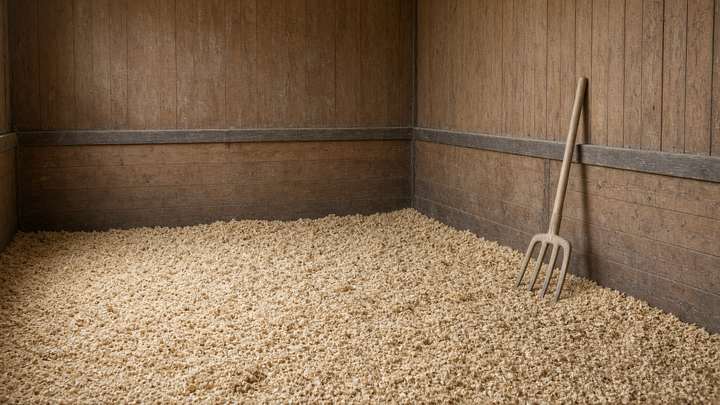
A Finnish trial ranked hemp the quickest and easiest bedding to clean, alongside peat. Less time in the stall is real labor savings for every barn crew. Faster cleaning means less time the horse stands in soiled bedding, reducing the cumulative hours of ammonia and pathogen exposure that drive respiratory and hoof disease. The time saved per stall compounds across a large barn and frees crew for other tasks.
Carbon-to-nitrogen ratio
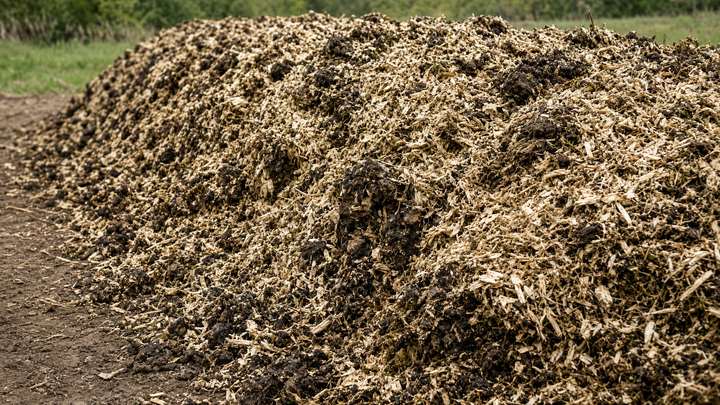
Hemp hurd tests at 87.2 to 1, versus 81.2 for pine and 58.7 for straw. The high carbon ratio slows the microbial breakdown of nitrogen. Slower nitrogen breakdown means ammonia is released more gradually rather than in sharp peaks. That sustained lower ammonia level protects the respiratory tract throughout the day and further reduces the risk of heaves and airway inflammation. The same ratio also produces a more stable compost that is less prone to rapid nitrogen loss.
Thermal insulation
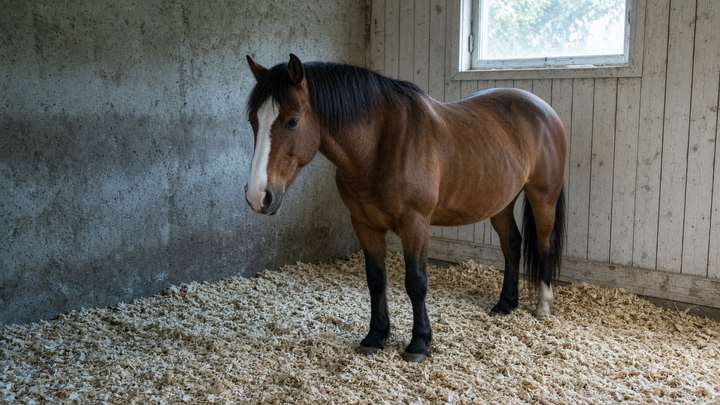
Hemp hurd is a natural insulator. Stalls stay warmer in winter and cooler in summer. Large temperature swings increase joint stiffness and can stress the respiratory system. The insulation property of hemp moderates those swings, supports joint comfort, and helps maintain a more stable environment for the horse. The same material is used in hempcrete building systems for its thermal performance, confirming the insulating effect under real-world conditions.
Odor control
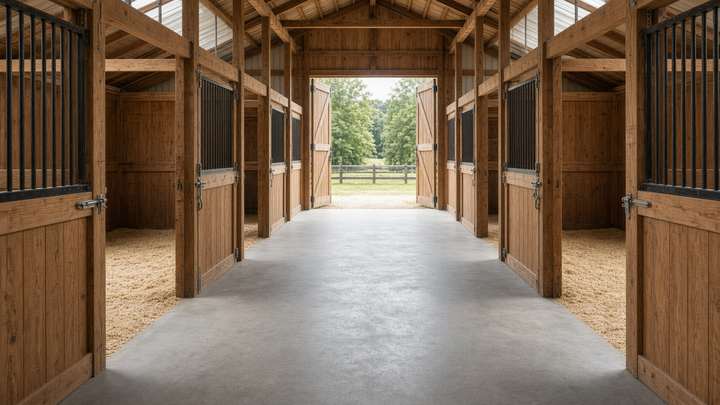
Hemp’s natural oils and terpenes mask manure odor at the source. Barn staff notice the difference immediately; the aisle stays fresher longer. Lower odor tracks with lower ammonia. The reduced ammonia exposure protects both horses and people from respiratory irritation and lowers the risk of heaves. Fresher air also improves the working environment for grooms and veterinarians who spend extended time in the barn.
Fire safety
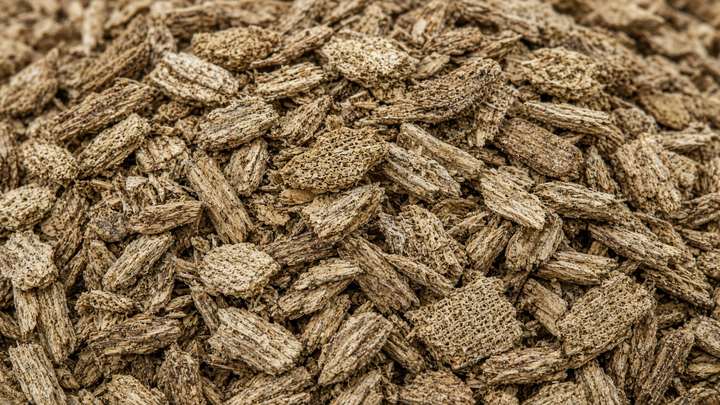
Hurd is denser and less resinous than softwood bedding. It ignites more slowly and burns cooler. In a barn full of horses, rapid fire spread is a catastrophic risk. Slower ignition gives more time for response and reduces the chance that a small incident becomes a barn-wide threat. Insurance underwriters recognize slower-igniting materials as a risk-reduction factor. The denser structure also produces less fine particulate when disturbed, further lowering ignition potential from sparks or hot equipment.
Trailering
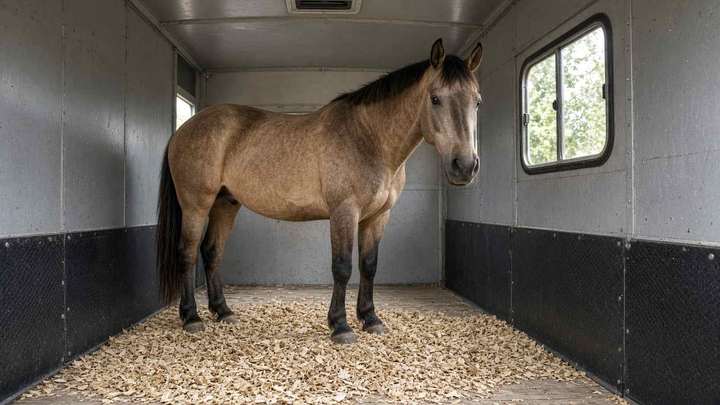
Weight is the first advantage. One 33-pound bale replaces the moisture capacity of roughly two and a half bales of conventional bedding, so the trailer carries less load and leaves a smaller pile at the destination. Hemp’s density and triple-screening keep dust down inside the enclosed trailer. On long hauls horses drink and urinate more; hemp locks the urine below the surface and keeps footing secure. Dust clouds irritate airways and can trigger coughing; wet spots cause slipping and potential injury. Hemp prevents both by keeping the air cleaner and the surface drier and more stable. Reduced weight also lowers fuel use and trailer stress on multi-day trips.
Air freight
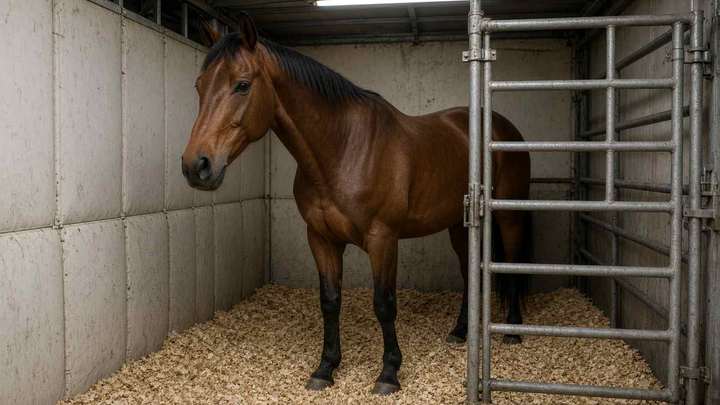
Approximately 30,000 horses move by air each year. A 2024 study of 118 horses shipped by commercial air cargo found 86 percent bedded on shavings and 14 percent on pellets — zero hemp. Hemp is non-palatable and indigestible, so a horse that nibbles during a long flight is not consuming harmful material. The low-dust, high-absorbency profile fits the confined environment of a jet stall. Dust and ammonia in a sealed cargo space increase stress and raise the risk of shipping fever and respiratory distress. Hemp lowers both exposures and keeps the stall environment more stable during transit. IATA requires absorbent bedding but does not name a material; straw is banned by many countries because of phytosanitary rules. Hemp meets the absorbent requirement without those import barriers.
Pest control
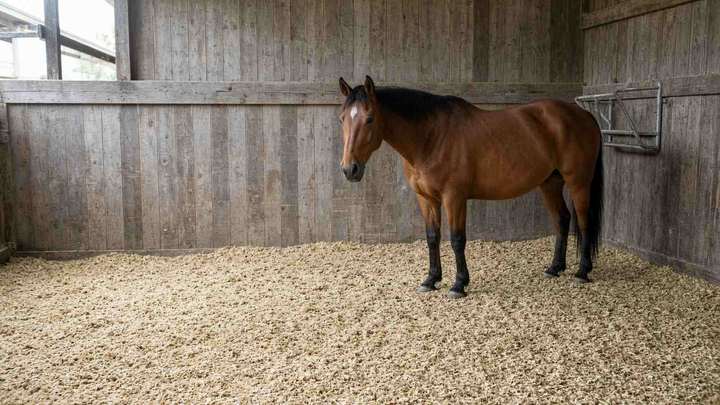
Flies breed in wet bedding. Hemp’s absorbency keeps the surface dry and removes the breeding medium. Dry stalls mean fewer flies. Fewer flies mean less irritation, less disease transmission, lower risk of summer sores (from Habronema larvae carried by flies), and less stress on horses.
Hemp essential oil is toxic to houseflies; a 2018 study measured an LD50 of roughly 43 micrograms per adult, with caryophyllene, myrcene, and CBD as the active compounds. The same oil shows strong activity against mites and ticks, driven by caryophyllene and humulene. Hemp bedding creates the dry, clean environment that limits pest pressure and reduces the risk of mite-related skin irritation.
Rodents do not treat hurd as food. It is low in protein and contains bitter compounds, so mice and rats do not gnaw it the way they chew through other materials. Hurd has no hollow stems, removing the easy nesting cavities found in straw. The result is a bedding that is less attractive to rodents. Fewer rodents mean lower risk of feed contamination, leptospirosis, and other rodent-borne disease spread. Barn managers report fewer nesting attempts in hemp versus straw in multi-season use.
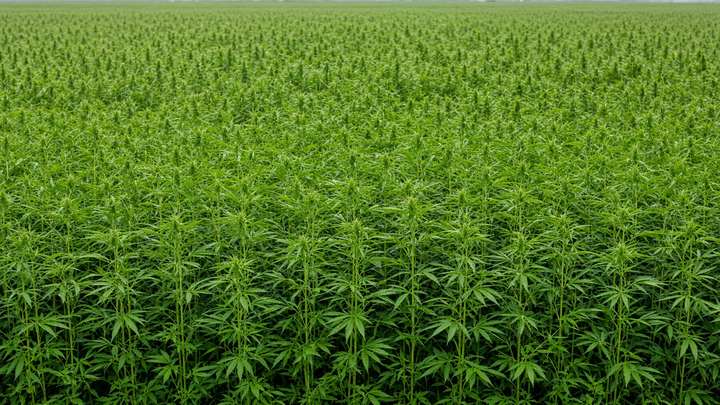
Industrial hemp is typically grown with minimal synthetic pesticides. The U.S. Environmental Protection Agency has approved roughly 99 pesticide products for hemp, the large majority of which are biopesticides. Only one conventional tolerance (ethalfluralin on seed) has been established. Conventional herbicides remain scarce, so growers rely primarily on dense planting, rapid canopy closure, crop rotation, and mechanical control. University extension materials and industry reviews note that hemp’s vigorous growth suppresses weeds better than most row crops, and organic production is common. The National Agricultural Statistics Service does not publish pesticide-use statistics for hemp the way it does for corn or soybeans. The result is a low-input crop whose bedding carries little chemical residue.
CBD — the flower
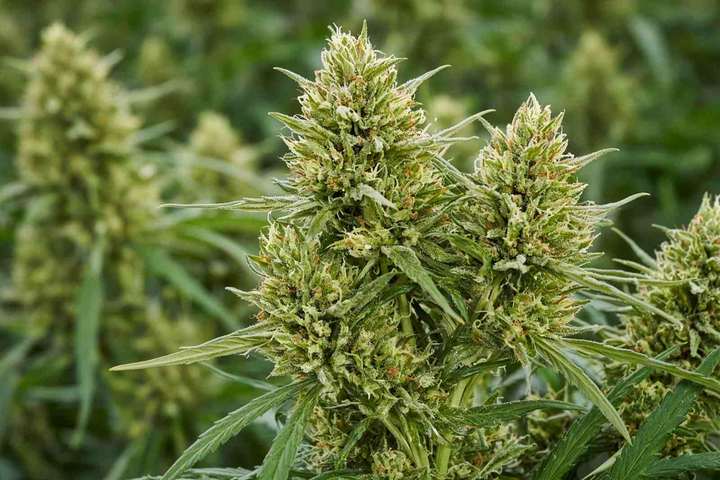
The Horseracing Integrity and Safety Authority (HISA) writes the medication rules for covered Thoroughbred racing. The flower delivers measurable benefits for horses. A 2024 study of twenty horses with mild joint osteoarthritis showed that adding CBD oil to a standard pain regimen lowered Horse Chronic Pain Scale scores to a median of three versus seven in the control group, along with lower heart rate, respiratory rate, white blood cell count, and oxidative stress. A 2025 University of Georgia trial found oral CBD raised thermal pain thresholds in horses with no adverse effects on heart rate or temperature. A 2024 study of twenty-four older horses with chronic osteoarthritis showed both cannabidiolic acid and a cannabigerol-CBD combination reduced pain scores and white blood cell counts with no adverse effects. A 2025 safety study confirmed that chronic dosing of one milligram per kilogram of CBD or cannabidiolic acid produced no clinically relevant changes in blood counts, serum chemistry, or liver ultrasound.
The pain and inflammation results give barns a clear, evidence-backed option for comfort. It addresses the joint pain, inflammation, and discomfort that limit performance and daily comfort. These findings support the use of the flower fraction as a complementary product alongside hurd bedding from the same crop.
Grain — the seed
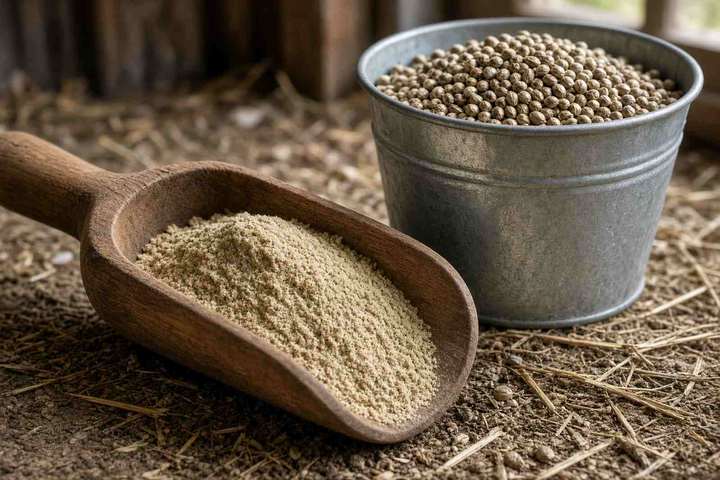
Hemp seed is a high-protein feed. Whole seed delivers 20 to 25 percent crude protein with 30 to 35 percent fat and negligible starch. Hemp seed meal, after oil extraction, runs 28 to 32 percent crude protein with almost no starch. Cornell University digestibility trials with up to 40 percent hemp seed meal in horse diets show horses readily consume the meal, with total-tract protein digestibility, hay intake, and fecal scores remaining strong.
The amino acid profile matches soybean and supplies all ten essential amino acids, including higher arginine than any common protein feed. Hemp seed also supplies gamma-linolenic acid, an omega-6 that produces anti-inflammatory prostaglandins, plus approximately 76 percent polyunsaturated fat in the oil versus roughly 66 percent for flax oil.
Hemp seed meal offers barns a high-quality protein and fat source that supports muscle, coat, and recovery. The low-starch profile makes it suitable for horses that require controlled non-structural carbohydrate intake.
The complete package
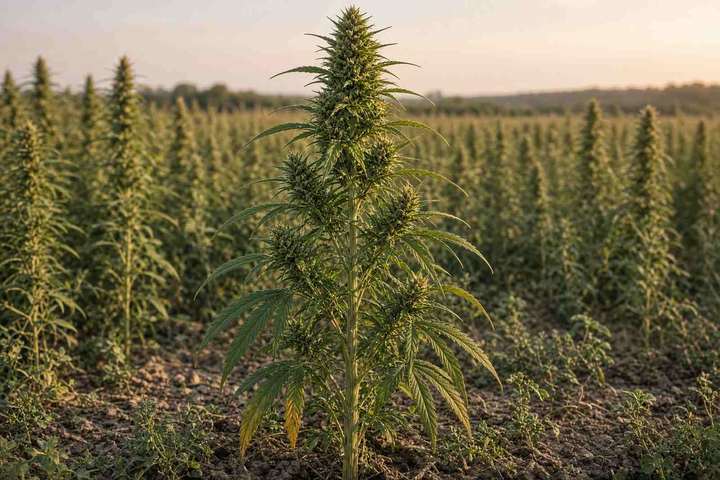
Cleaned hurd bedding, flower-derived comfort, and seed protein all come from the same plant. One crop supplies the stall, the horse’s comfort, and the feed bucket. That is the Horse Stall Theory in action: the stall becomes the first market, and the mill follows the stall. The same stalk that produces the bedding also yields the fiber fraction for construction and the grain fraction for feed, creating multiple revenue streams from a single acre.
The business case
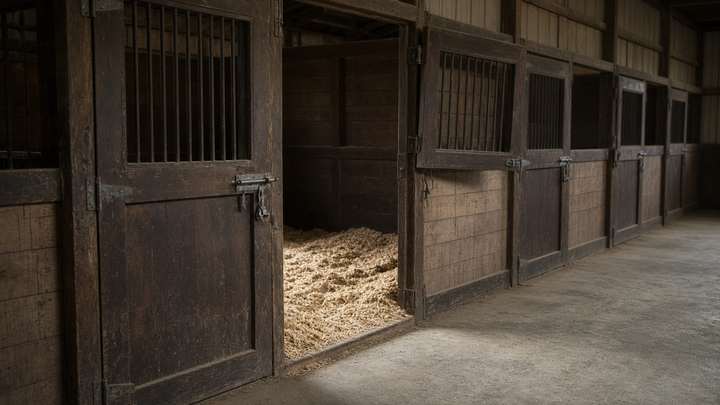
Phase 1 is not a new mill. It is a sale of the cleaned hurd that processors already make. One 30-pound bag of finished hurd sells at a $16 wholesale price. Across a conservative 12-by-12 stall ledger, the net after material, labor, haul, and compost credit is $1,081 per stall per year. At Saratoga’s published 1,820 stalls, that scales to $1,967,420 in combined annual value. The stall becomes the first market. The mill follows the stall. These figures are estimates if a barn buys the bag; they are locked to the conservative ledger used throughout the Horse Stall Theory model and do not assume new mill construction or CleanLoop infrastructure.